
Ernest Satow's Japan and his world of plants
• Condensed from the full article In the Ottery Heritage Society Journal for Winter 2025 (part 1) and Spring 2026 (part 2).
Kaoru Yoshida writes: In the summer of 2024, I visited Ottery St Mary, where Sir Ernest Satow (1843-1929), a former British diplomat, lived at Beaumont House, Ridgeway, in his later years.
During his time in Japan, Satow cultivated various plants, many of which he later introduced to his garden in the UK. John Ingham, the current resident, kindly shared Satow's diary and guided me through the garden.
Among the notable features, I was captivated by a towering cedar-like tree and a cherry tree with expansive branches. Satow’s diary mentions planting several coloured varieties of cherry, possibly indicative of the remaining tree’s lineage. He showed a distinct preference for specific flower shapes in cherry blossoms, both single and double.
The presence of Kerria Japonica particularly stood out in the garden. Deeply cherished in Japan since antiquity, Satow’s familiarity with archaic Japanese and classical literature likely informed his appreciation for this plant. He, too, was meticulous regarding whether the Kerria japonica was single or double-petalled.
From his diary, it is evident that Satow grew Japanese maple from seed. In his first 21 years of service in Japan he rose to the position of Second Secretary at the Japanese Legation, and in that time gained a deep affection for the country and its flora. Satow is credited with discovering unique Japanese varieties, such as the Japanese Pinguicula, found in the Yatsugatake mountains, west of Tokyo.
His writings provide intricate accounts of the diverse plants he encountered, presenting valuable insights into Japan’s natural world at that time.
While examining Satow's diary at the National Archives in London, I stumbled upon a photograph of Lake Chuzenji in Nikko, Tochigi Prefecture. This lake, formed by the eruption of Mount Nantai around 20,000 years ago, was a challenging ascent during Satow's time. He noted enjoying a restorative stop at a tea house en route to the summit.
Deeply fond of the Lake Chuzenji area, Satow built a villa there in 1896 during his second posting. The villa and its grounds, now renamed British Embassy Villa Memorial Park, commands a view overlooking the lake towards Mount Shirane and Mount Sukaid.
Satow documented numerous wild plants in Nikko, including the damp-loving Primula japonica (Kurinsou), known for clustering around Lake Chuzenji. This area, steeped in sacred significance, is home to the Toshogu Shrine dedicated to Tokugawa Ieyasu. Satow arrived just six years prior to the conclusion of the Edo period, providing an invaluable window into the region's history and culture during this transformative time, meticulously recorded in his publications.
Following a guidebook from the Edo period, Satow published A Guidebook of Nikko (1875) and later A Handbook for Travellers in Central and Northern Japan (1881; rev. ed. 1884), which remains seminal in reflecting his keen scholarly observations.
These guidebooks, woven from Satow's first-hand encounters, reveal insights into the early Meiji period (1868-1912), a time of significant reforms initiated by progressive samurai at the time of the more outward-looking Emperor Meiji. Satow contributed considerably to the drafting of a constitution for 'modern Japan' during this time of change.
On a later visit, I began my exploration of the northern lakes at Lake Chuzenji. After ascending the viewpoint near the lake, I could see Mount Nantai on the right. Satow first described Lake Chuzenji on March 17, 1872, as a "picturesque lake surrounded by thick wooded steep hills."
Primula japonica thrives in damp lowland habitats, blooming in deep crimson, pink, and white clusters by the water's edge. Satow's affinity for native plants led him to cultivate them at his villa; some Primula japonica now also flourishes in the British Embassy Villa Memorial Park.
Satow’s villa, accessible via a path along the lakeside, offers a view of Mount Shirane. In his diaries, Satow frequently chronicled its changing state: "Fine clear morning, Shirane quite visible, the lake of a beautiful blue colour." He continued to note seasonal changes, describing a light snowfall atop Mount Shirane in September 1898.
From Lake Chuzenji, I journeyed towards Ryuzu Falls and onto Senjogahara Marshland, later reaching Yumoto in the Okunikko area. Satow often ventured on picnics from his villa to collect plants around these locales. Lake Yunoko, nestled in deep forests, presents a serene beauty distinctly different from Lake Chuzenji. Satow remarked on this uniqueness, noting, "the atmosphere of this lake was different."
The history of Nikko Yumoto Onsen, dating back to the 8th century, adds to the cultural tapestry of the area. Satow meticulously explored Japan's mountainous expanse, documenting his experiences in A Handbook for Travellers in Central and Northern Japan. Often called the Japanese Alps today, Satow is believed to be the first to use that term.
In his diary, he provided detailed observations of peaks, chronicling each ascent as if affirming their existence. His passion for the landscape emerges from the details he noted about the various mountains and lakes, including Lake Chuzenji's unique and intricate geography.
Satow's diary encompasses diverse wildflowers and plants, raising the question of how many of the species he documented still thrive today. His writing offers a botanical treasure trove, fostering a deep connection between local flora and the surrounding landscape. It invites one to experience these mountains, lakes, waterfalls and slopes to see the plants he so lovingly recorded.
///////
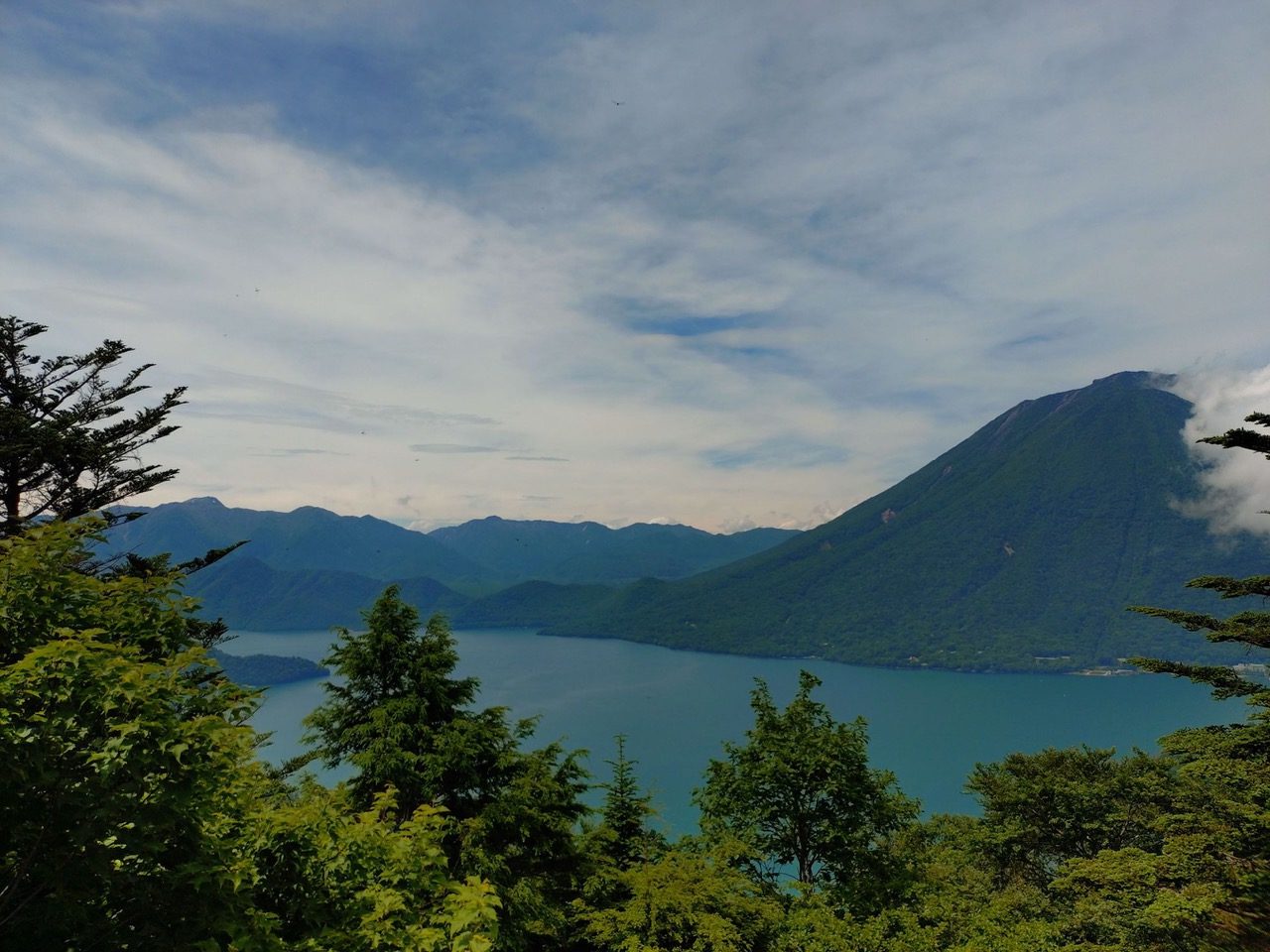
Lake Chuzenji
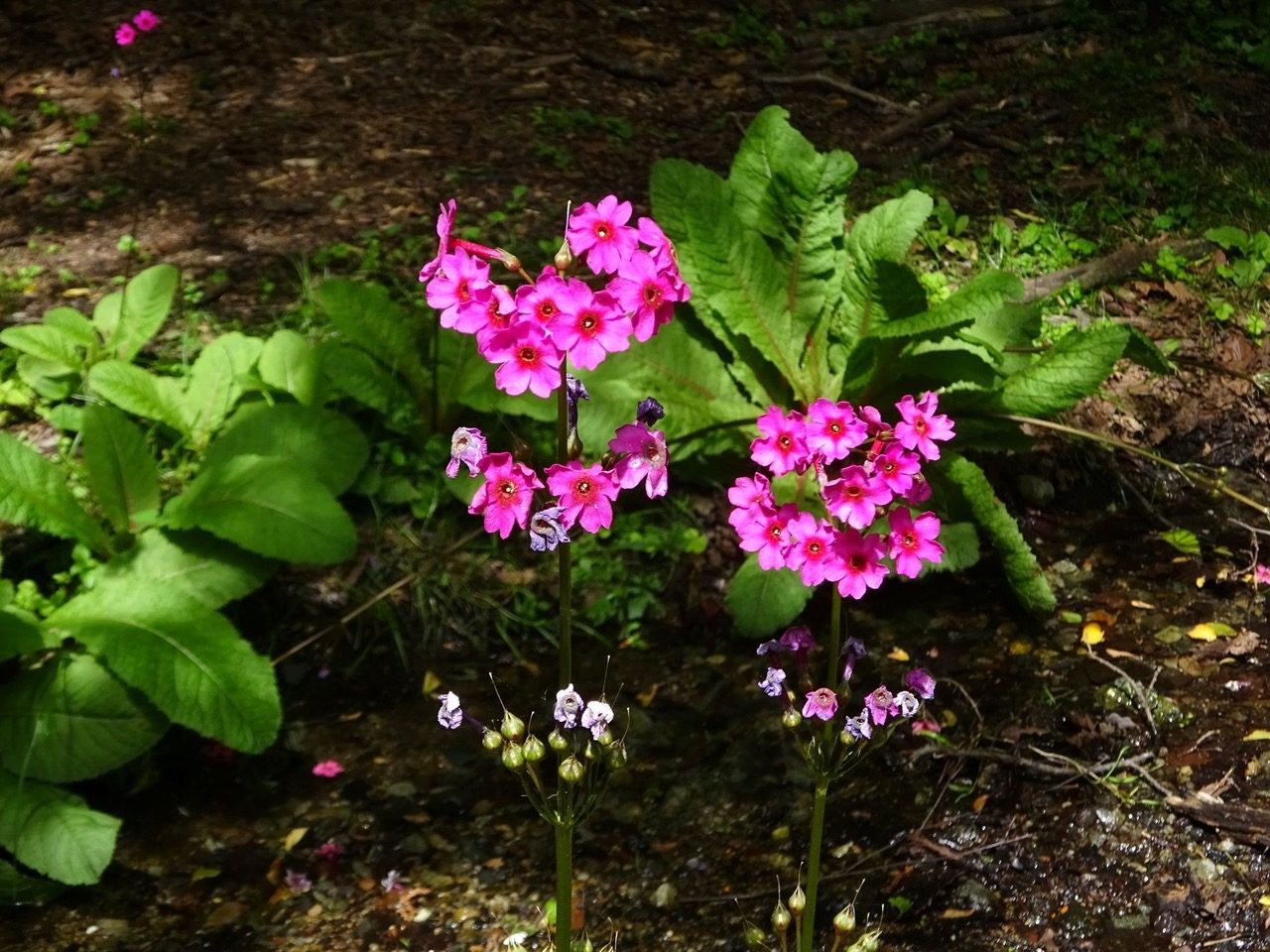
Primula japonica, a native of damp soils in this relatively upland area
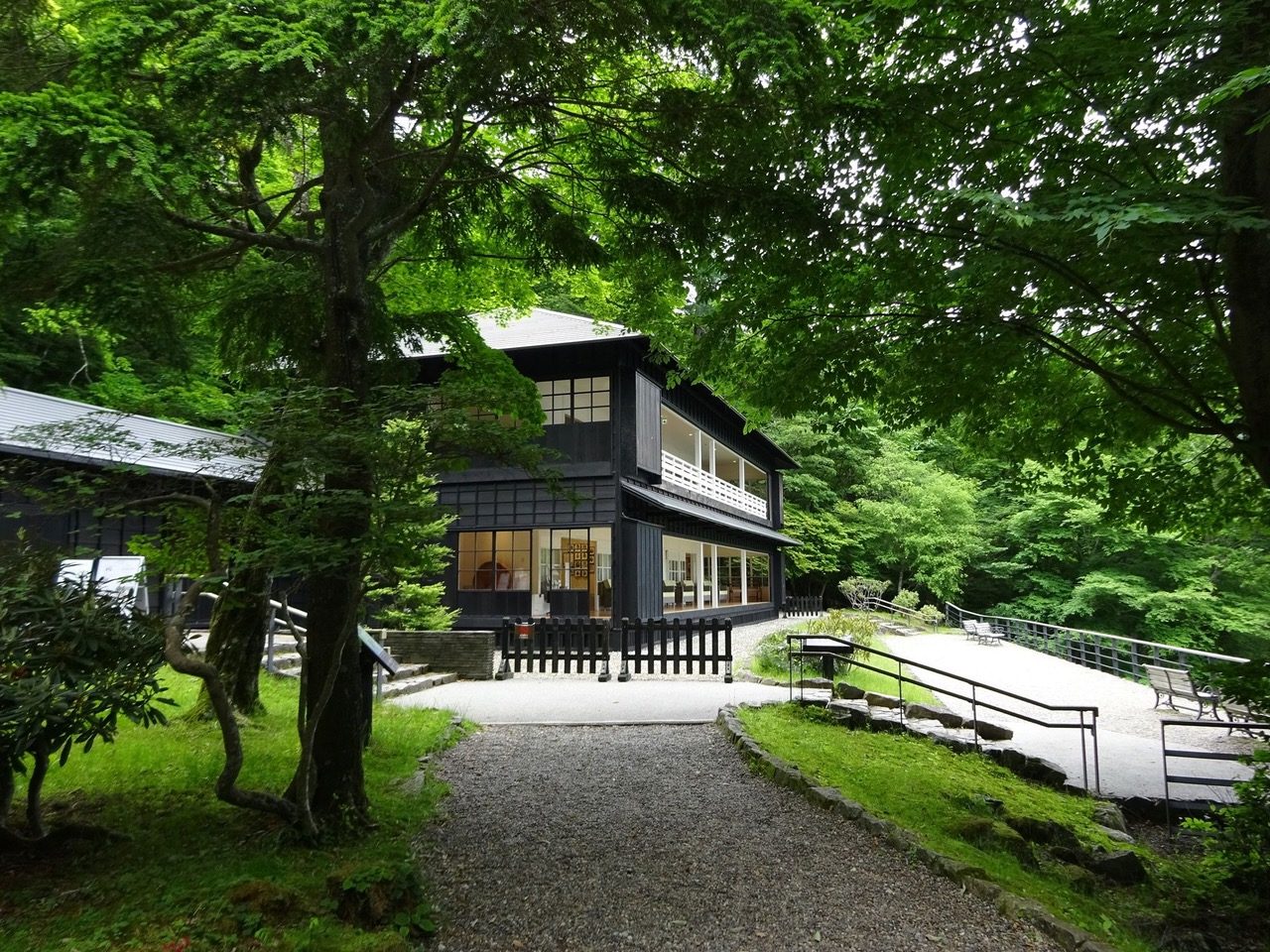
The British Embassy Villa Memorial Park where Satow's villa stood
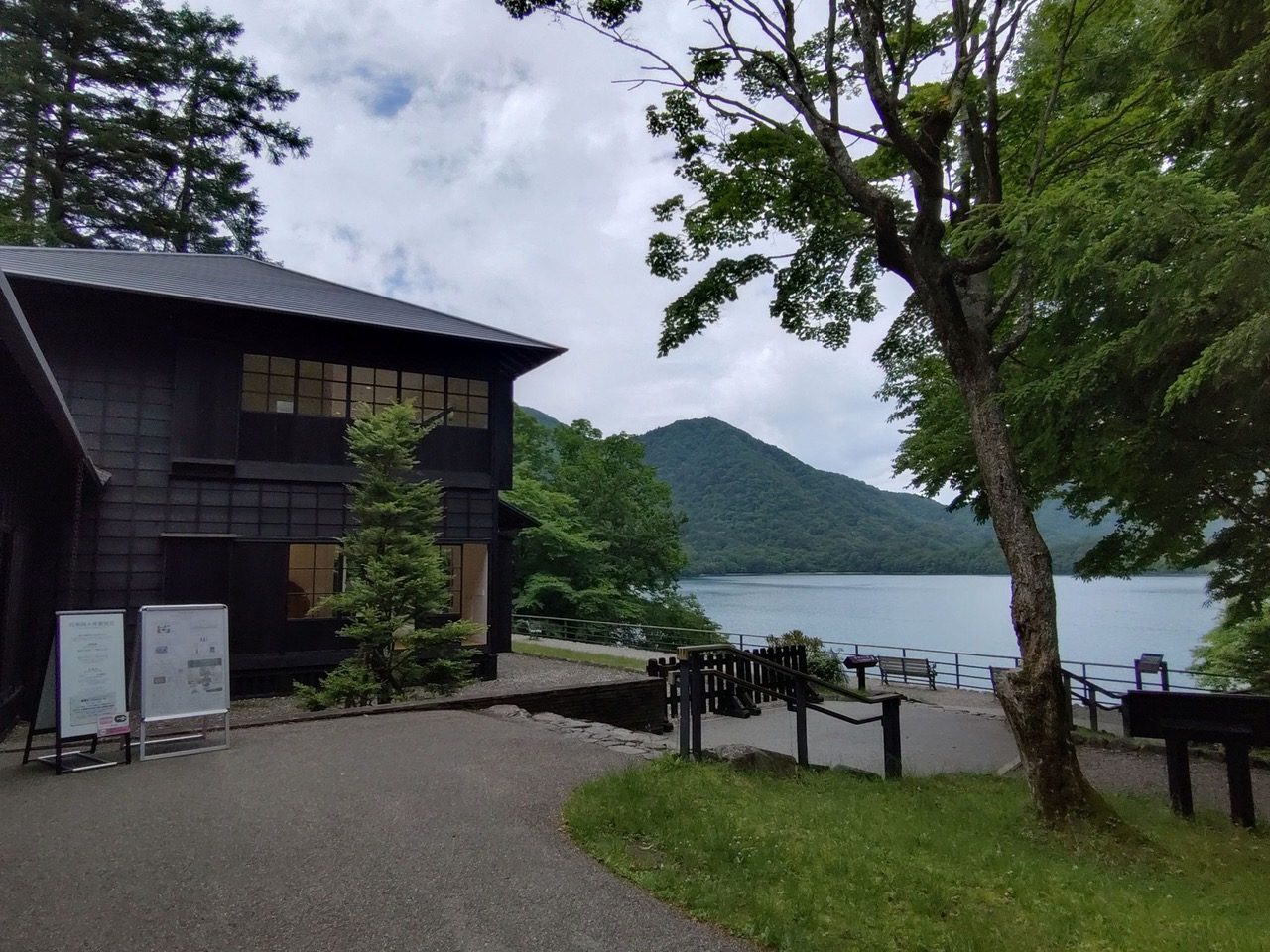
Another aspect of British Embassy Villa Memorial Park
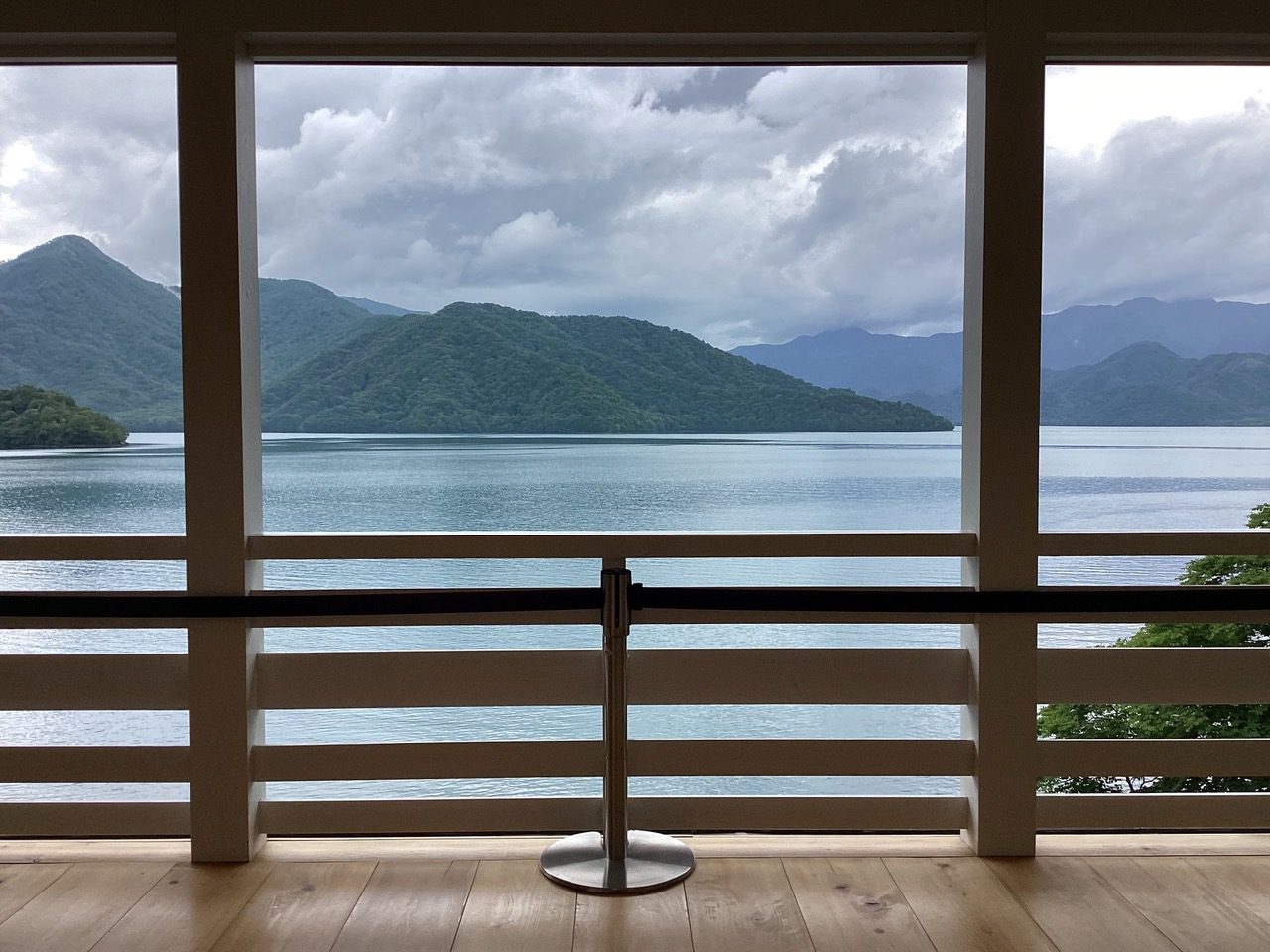
View across Lake Chuzenji from inside the Villa
Satow wrote in his journal: "Lake Yunoko, nestled in deep forests, presents a serene beauty distinctly different from Lake Chuzenji."

Satow noted, “The atmosphere of this lake was different.”